Interior Design in Beirut: A Homeowner's Guide
Hiring the right designer in Beirut comes down to three things: a clear scope, a designer who understands Lebanese building stock, and a written process with sign-off points. Get those right and you avoid the budget overruns and rework that derail most renovations. This guide walks you through what professional interior design actually involves, how to prepare before you reach out, and the questions that separate a reliable studio from a risky one.
Beirut sits inside a fast-growing regional market. The Middle East and Africa interior design market reached USD 16,697.7 million in 2025 and is projected to grow at a 6.2% compound annual rate through 2033, according to Grand View Research. That growth brings more studios, more styles, and more price points, which makes knowing how to choose well more valuable than ever.
What Professional Interior Design Involves for Beirut Villas and Residences
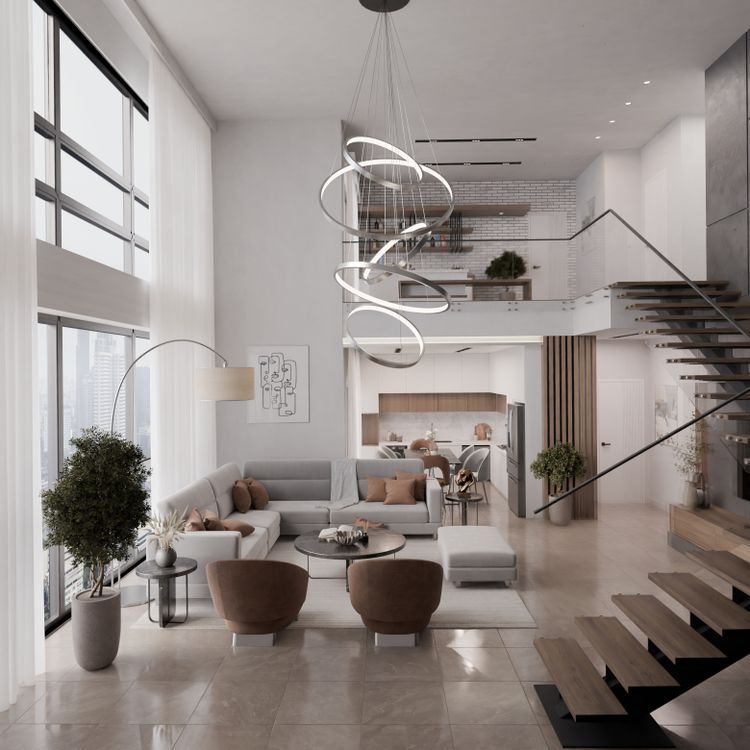
Professional interior design for Beirut villas and residences covers far more than choosing paint and furniture. It combines space planning, technical drawings, material and finish selection, lighting design, and coordination with the trades who carry out the work. For a renovation or a bespoke fit-out, the designer becomes the single point of accountability between your vision and the people building it.
In practice, the work splits into a few layers:
- Spatial planning: reworking how rooms flow, where walls move, and how daylight and views are used.
- Technical documentation: floor plans, elevations, electrical and lighting layouts, and joinery drawings that contractors can build from.
- Material and finish selection: flooring, stone, cabinetry, textiles, and fixtures chosen to suit both taste and the local climate.
- Project coordination: managing procurement, scheduling, and quality control through to installation.
A firm such as J&J Home Improvement delivers these layers as a turnkey service, meaning you work with one team from the first concept sketch to the final handover rather than stitching together separate designers, suppliers, and contractors yourself. For a villa or a high-end residence, that continuity is often what keeps the result coherent.
How to Define Your Style, Budget, and Scope Before You Start
Before you contact any designer, settle three questions: what you want it to look like, what you are willing to spend, and how much of the home is in play. Walking in with clear answers shortens the process and protects you from scope creep later.
Pin down your style
Collect references over a few weeks rather than deciding in an afternoon. Save images of rooms that appeal to you, note what specifically draws your eye, whether it is a material, a colour, or a sense of light, and look for the patterns. A consistent reference set tells a designer more than any single adjective. Be honest about how you actually live, too. A stark, minimal villa photographs beautifully but suits a different household than one with young children and frequent guests.
Set a realistic budget
Agree on a total figure before design begins, and hold back a contingency of roughly 10-15% for the surprises that older Beirut buildings tend to reveal once work starts. Decide early which elements are non-negotiable and which are flexible, because that ranking is what a good designer uses to protect quality where it matters when costs press. Ask prospective studios how they charge, whether a flat fee, a percentage of the project value, or an hourly rate, and get it in writing.
Define the scope
Be specific about what is included. One room or the whole home? Finishes only, or structural changes and new layouts? Does the brief cover furniture, window treatments, and styling, or stop at the built elements? A written scope prevents the slow expansion that inflates both timelines and invoices.
The Typical Design Process From Concept to Final Handover
Most reputable Beirut studios follow a staged process with a clear sign-off at the end of each phase. Knowing the sequence helps you spot a disorganised firm and gives you natural checkpoints to confirm you are still on track.
- Brief and concept. The designer gathers your references, measures the space, and returns with mood boards, preliminary layouts, and a direction for you to approve.
- Detailed design. Approved concepts become technical drawings, finish schedules, lighting plans, and specifications. This is where decisions get locked.
- Procurement and planning. Materials and furniture are sourced and ordered, lead times are mapped, and the construction schedule is built. Imported items often drive the timeline, so order early.
- Execution. Trades carry out the work under the designer's supervision, with site visits and quality checks against the approved drawings.
- Handover. A final walkthrough, a snagging list, and resolution of any outstanding items close the project.
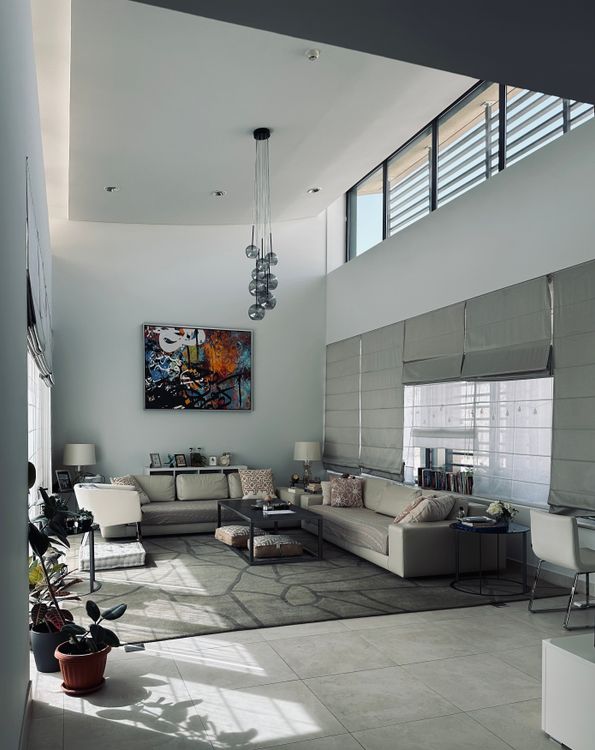
The two phases where projects most often slip are procurement, because of import lead times, and execution, when hidden conditions in an older building force design changes. A designer who flags these risks at the concept stage is one worth keeping.
Questions to Ask a Beirut Interior Designer Before Hiring
The right questions reveal how a designer works long before you sign anything. Treat the first meeting as an interview and ask the following:
- Can I see a portfolio of completed projects similar to mine? Look for finished Beirut or Lebanon work at your scale, not only renderings.
- How is your fee structured, and what is excluded? Clarify whether site supervision, procurement, and revisions are inside the fee.
- Who manages the contractors and suppliers? Confirm whether you are hiring design only or full project management.
- How do you handle changes and budget overruns? A clear change-order process protects both sides.
- What is a realistic timeline, and what usually causes delays? Honest answers about lead times signal experience.
- Can you provide client references? A short call with a past client is one of the most reliable checks available.
If answers are vague, especially on fees and who is accountable on site, treat that as a warning. Studios such as J&J Home Improvement that handle design and execution under one roof should be able to answer each of these without hesitation.
Why Local Expertise Matters for Lebanese Homes and Climate
Local experience is decisive because Beirut homes face conditions that generic designs ignore: coastal humidity, a mix of older and newer building stock, and permit rules tied to the Order of Engineers and Architects. A designer who has worked through these before will specify materials and detail the work to last, rather than discovering the problems on site.
Humidity is the clearest example. Beirut's coastal Mediterranean climate keeps relative humidity high for much of the year, and research on Mediterranean building comfort published in the peer-reviewed MDPI Buildings journal examines how comfort standards apply in exactly these coastal conditions. In design terms, that means choosing flooring, joinery, and finishes that tolerate moisture, and planning ventilation so timber and cabinetry do not warp over time. A designer who specifies the wrong material here creates a problem that surfaces months after handover.
Building rules and energy performance are the second reason. Lebanon has published thermal standards for buildings, and guidance from the Lebanese Center for Energy Conservation sets out how building codes address energy efficiency locally. For a homeowner, the practical takeaway is that insulation, glazing, and shading decisions are not just aesthetic choices; they affect comfort and running costs year-round. A studio familiar with local requirements folds this into the design instead of treating it as an afterthought.
Older Beirut buildings also carry their own quirks: uneven structures, outdated electrical and plumbing, and heritage features that reward careful handling. Working with a team that has renovated comparable properties means fewer surprises and smarter choices about what to preserve and what to replace.
Start by writing a one-page brief this week: your preferred style with three or four reference images, a total budget with a contingency, and a precise list of what is in scope. Bring that to two or three Beirut studios, ask the questions above, and compare not just their prices but how clearly each one explains the process. The clarity of their answers will tell you more than any portfolio.
Frequently asked questions
How much does interior design cost in Beirut?
Costs vary widely by scope, finish level, and property size. Designers typically charge a flat fee, a percentage of the project budget, or an hourly rate. Ask for a written fee structure and a separate materials estimate before signing.
What is the difference between an interior designer and a decorator?
A decorator focuses on surfaces, furniture, and styling. An interior designer handles space planning, technical drawings, lighting, materials, and coordination with contractors, which matters for renovations and fit-outs.
How long does a full interior design project take in Beirut?
A single-room refresh can take a few weeks, while a full villa renovation often runs several months. Procurement lead times and permit approvals are the most common causes of delay.
Do I need a permit to renovate my home in Lebanon?
Structural changes, facade work, and additions usually require permits handled through the Order of Engineers and Architects. Purely cosmetic interior updates generally do not, but confirm with your designer first.